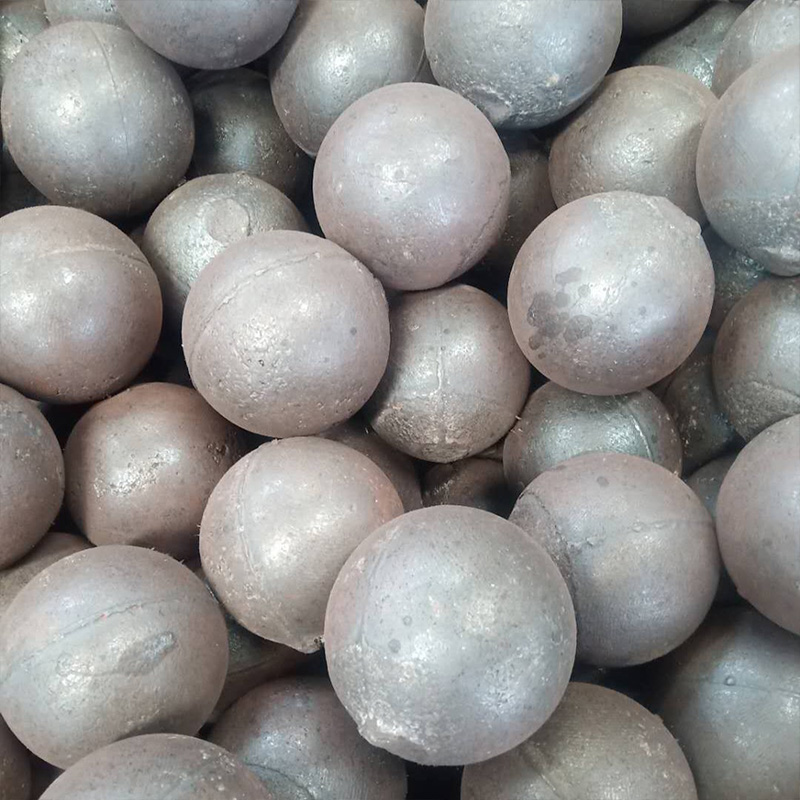
Views: 0 Author: Site Editor Publish Time: 2026-09-24 Origin: Site
Procuring bulk grinding balls represents a massive operational commitment for mineral processing and cement milling plants. You cannot afford minor variations in media quality. Poor quality control leads directly to severe fluctuations in mill efficiency, higher energy consumption, and unplanned downtime. Large-scale procurement carries heavy risks. Inconsistent wear rates, catastrophic ball breakage, and hidden supply chain vulnerabilities will cripple your daily production targets and destroy expensive mill internals. You need a structured, engineering-first evaluation framework to assess technical specifications, machine compatibility, material suitability, and manufacturer reliability before you sign a large contract. Moving away from standard purchasing habits requires a hard look at metallurgy, mill dynamics, and rigorous quality control. This guide provides actionable steps to verify media quality, mitigate operational risks, and ensure optimal particle reduction performance across your milling circuits.
Material Matching: Selecting between forged and cast alloys depends strictly on mill type (SAG, Ball, or Pebble mills), impact dynamics, and ore abrasiveness.
Mandatory QA/QC Metrics: Surface hardness is insufficient; buyers must demand pre-shipment data on volumetric hardness, impact toughness, and chemical composition.
Vendor Auditing: A reliable grinding media manufacturer must demonstrate transparent raw material sourcing, a proven safety and operational track record, consistent production capacity, and verifiable ISO certifications.
Different industrial applications dictate highly specific media requirements. Cement milling, copper extraction, and coal grinding present unique mechanical and chemical challenges. The mill type determines the necessary impact resistance of the media. Semi-Autogenous Grinding (SAG) mills utilize large-diameter balls dropped from high trajectories. This cataracting motion requires massive impact toughness to survive the continuous pounding against the toe of the charge and the steel liners. Standard ball mills rely more on cascading and attrition. The media rolls and rubs against the ore, shifting the priority toward high abrasion resistance rather than pure impact survival.
Ore hardness directly influences the required metallurgical properties of the charge. Metallurgists measure this using the Bond Work Index (BWi). Highly abrasive ores demand harder alloys to prevent rapid degradation and maintain the spherical shape of the media.
Consider these typical Bond Work Index ranges and their impact on media selection:
Coal and soft limestone: 10 to 13 kWh/t. These softer materials allow for standard alloy usage with minimal risk of rapid media deformation.
Copper and zinc porphyry ores: 13 to 16 kWh/t. Moderate abrasion requires a balanced alloy offering both hardness and structural integrity.
Quartzite and iron ore (magnetite/hematite): 18 to 22+ kWh/t. Extreme abrasion environments demand specialized high-carbon or high-chrome alloys to prevent excessive wear rates.
The grinding environment also plays a major role. Wet grinding introduces severe corrosion factors. The slurry acts as an electrolyte, accelerating metal loss through galvanic corrosion. You need specialized chemical compositions to resist the combined effects of chemical attack and mechanical wear. Dry grinding eliminates the corrosion factor but generates significantly higher internal mill temperatures, requiring alloys that maintain their hardness at elevated heat levels.
The required product size, denoted as P80 (the sieve size through which 80% of the product passes), dictates the selection of ball diameters. A proper grading of the initial mill charge ensures efficient particle reduction across different size fractions. Using a single ball size is highly inefficient. A well-calculated mixed charge optimizes the contact area and breaking force inside the mill. Large balls break the coarse feed, while smaller balls handle the fine attrition grinding.
Machine compatibility checks are mandatory before finalizing any order. You must calculate the bulk density of the media to ensure the selected grinding media products do not exceed mill motor load limits. Different alloys have different specific gravities. Incorrect density calculations will overload the trunnion bearings, trip the drive motor, or cause severe damage to specific liner configurations. Proper load calculations ensure the mill draws the correct power while maintaining the optimal volumetric filling degree.
Follow these steps to verify mill load compatibility:
Determine the internal volume of the mill inside the liners.
Establish the target volumetric loading, typically between 25% and 40% depending on the mill design.
Identify the specific gravity of the chosen alloy.
Calculate the total mass required to achieve the target volumetric loading.
Cross-reference the calculated mass against the maximum load capacity of the mill motor and trunnion bearings.
The manufacturing process for forged media involves heating steel billets to precise temperatures, forging them into spheres, and applying rigorous quenching and tempering cycles. Facilities cut raw steel bars into specific lengths and heat them in induction furnaces to over 1000°C. Heavy machinery then roll-forges or hammer-forges the glowing steel into perfect spheres. This thermomechanical processing creates a dense, uniform microstructure with excellent grain flow that follows the contour of the sphere. This grain flow prevents catastrophic splitting under heavy stress.
The primary advantage of this process is superior impact toughness. This makes forged grinding balls ideal for SAG mills or large-diameter primary ball mills. In these high-energy environments, high-drop impacts cause brittle materials to spall, chip, or break entirely. Forged media absorbs these impacts while maintaining structural integrity. They ensure continuous grinding efficiency without damaging the mill grates or blinding the discharge screens with broken steel fragments.
Forged Steel Grade | Carbon Content (%) | Hardness (HRC) | Impact Toughness (J/cm²) | Best Application |
|---|---|---|---|---|
60Mn | 0.55 - 0.65 | 55 - 60 | ≥ 12 | Small ball mills, soft ores |
65Mn | 0.62 - 0.70 | 58 - 62 | ≥ 15 | Medium ball mills, standard ores |
B2 | 0.70 - 0.85 | 60 - 64 | ≥ 18 | Large ball mills, abrasive ores |
B3 | 0.80 - 0.95 | 62 - 65 | ≥ 20 | SAG mills, extreme impact |
Casting involves pouring molten alloy steel into sand or permanent metal molds, followed by highly controlled heat treatment stages. The defining characteristic of these alloys is the presence of chromium carbides within the microstructure. During the solidification and subsequent heat treatment, chromium and carbon bond to form M7C3 type carbides. These carbides provide exceptional hardness, often reaching up to 66 HRC depending on the specific alloy grade and heat treatment cycle.
Evaluate high chrome grinding balls for environments requiring extreme abrasion and corrosion resistance. They excel in wet grinding applications where standard steel would rapidly oxidize and degrade. The high chromium content forms a passive oxide layer on the surface, significantly reducing galvanic corrosion inside the mill. However, you must note their lower impact tolerance compared to forged alternatives. High chrome media is best suited for secondary or tertiary ball mills where the drop heights are lower and the primary wear mechanism is sliding abrasion rather than heavy impact.
Cast Alloy Type | Chromium Content (%) | Hardness (HRC) | Primary Characteristic |
|---|---|---|---|
Low Chrome | 1.0 - 3.0 | 45 - 55 | Basic wear resistance, low impact |
Medium Chrome | 4.0 - 8.0 | 48 - 58 | Balanced wear and toughness |
High Chrome | 10.0 - 18.0 | 58 - 64 | Excellent abrasion and corrosion resistance |
Ultra-High Chrome | 20.0 - 26.0 | 60 - 66 | Maximum wear resistance for extreme environments |
Different materials yield different bulk densities, directly impacting procurement volumes. Suppliers sell grinding media on a per-pound or per-ton basis, but you fill mills by volume. A mill requiring a specific volumetric fill level will have vastly different weight requirements depending on the alloy composition.
Standard forged steel has a specific gravity of approximately 7.8 g/cm³. High chrome alloys differ slightly due to the high percentage of lighter alloying elements like carbon and silicon, often dropping the specific gravity closer to 7.5 or 7.6 g/cm³. While this seems like a minor difference on paper, it scales massively when ordering thousands of tons. Specialized heavy alloys will drastically increase the total tonnage required to achieve the same 35% mill filling degree. You must calculate the exact tonnage based on the specific gravity of the chosen alloy to avoid under-ordering or over-stressing the mill motor.
You must look beyond standard surface Rockwell Hardness (HRC) claims on a brochure. Surface hardness alone does not guarantee long-term performance. A ball that is hard on the outside but soft on the inside will fail rapidly once the outer shell wears away. This leads to a sudden drop in mill throughput and a massive spike in media consumption.
Volumetric hardness means maintaining a consistent hardness profile from the surface down to the core. This is mandatory for maintaining grinding efficiency as the ball wears down over months of operation. You should demand cross-sectional hardness testing data. The manufacturer must cut sample balls in half and measure the hardness at the surface, one-quarter radius, one-half radius, and the core. A tight hardness gradient ensures predictable wear rates. If the core hardness drops more than 3 to 5 HRC points below the surface hardness, reject the batch.
Pre-shipment drop test data is necessary to predict breakage rates under severe operational stress. Falling weight tests simulate the high-impact environment inside the mill. In a standard drop test, a machine repeatedly drops a ball from a height of 8 to 10 meters onto a massive steel anvil until it fractures. High-quality media should withstand thousands of drops without failing. For SAG mill applications, demand a minimum of 10,000 drops before failure.
High breakage rates lead to severe mill damage and reduced throughput. Broken pieces of media act like shrapnel. They jam discharge grates, accelerate rubber liner wear, and disrupt the cascading motion of the charge. Verifying impact toughness through standardized Charpy V-notch testing and full-scale drop tests is non-negotiable. The Charpy test measures the energy absorbed by the material during fracture, providing a clear metric for brittleness.
Visual and dimensional checks are required before a bulk order ships. Sphericity tolerances must be incredibly tight. A perfect sphere provides maximum surface area contact with the ore. Out-of-round balls, or those that wear into flat-sided shapes, drastically reduce milling efficiency and increase liner wear. They fail to roll properly, leading to sliding abrasion that gouges the mill liners.
Inspect samples for the absence of casting or forging defects. Shrinkage cavities (internal voids), porosity (gas bubbles), and forging seams (surface cracks) act as stress concentrators. Under the immense pressure of a rotating mill, these minor defects propagate into massive cracks, leading to premature failure. Surface integrity directly correlates to the lifespan of the media.
Implement these visual inspection standards:
Reject any media with visible surface cracks or deep forging laps.
Measure the diameter across multiple axes to ensure sphericity deviation remains below 3%.
Check for flat spots or irregular protrusions left over from the casting gates and risers.
Ensure the surface is free from excessive scale or deep rust pitting prior to shipment.
Advise your procurement team to request Optical Emission Spectrometry (OES) reports for every single batch. The chemical composition dictates the metallurgical potential of the final product. Even minor deviations in the alloy chemistry will completely alter the heat treatment response, resulting in soft or brittle media.
Key elements must be strictly controlled:
Carbon (C): Drives the baseline hardness of the alloy. Higher carbon increases hardness but reduces impact toughness.
Chromium (Cr): Delivers wear and corrosion resistance by forming hard carbides. Essential for wet grinding environments.
Manganese (Mn): Improves hardenability and overall toughness. It helps the steel achieve a deep, uniform hardness profile during quenching.
Silicon (Si): Acts as a deoxidizer during the melting process and increases the yield strength of the steel.
Molybdenum (Mo): Enhances deep hardenability in large-diameter balls and prevents temper embrittlement.
Sulfur (S) and Phosphorus (P): These are highly detrimental impurities. They must be kept strictly below 0.04% to prevent hot and cold shortness, which causes severe brittleness and catastrophic breakage.
Knowing exactly where the manufacturer sources their steel is mandatory. High-quality recycled scrap metal melted in an Electric Arc Furnace (EAF) yields different results than virgin steel billets produced in a Basic Oxygen Furnace (BOF). Inconsistent raw materials lead directly to batch-to-batch metallurgical variances, making your mill performance unpredictable.
Traceability is a hallmark of a reliable grinding media manufacturer. Every delivered batch should be traceable back to the specific heat of steel used during production. If a ball breaks in your mill, the supplier must be able to pull the exact chemical and heat treatment records for that specific production run. Evaluate the manufacturer's operational longevity. A proven safety record and decades of operational history indicate stable, dialed-in heat treatment processes and reliable quality control systems.
Evaluate the vendor's ability to scale operations. A supplier must meet the heavy tonnage requirements of a large order without extending lead times. Mining operations consume media continuously. Supply chain bottlenecks halt production, and running a mill without adequate media destroys the liners in a matter of hours.
Verify that the manufacturer offers a wide size assortment. You need to supply the exact graded charge required by your metallurgical team, rather than forcing a compromise on ball diameter just because the vendor lacks specific molds or dies. Address packaging and delivery logistics early. Steel drums or heavy-duty bulk bags must ensure safe, weather-protected transit. Media shipped loose in the hold of a ship will arrive heavily rusted, which immediately introduces iron oxide into your flotation circuits and disrupts chemical recovery processes.
Non-negotiable certifications include ISO 9001 for quality management systems, ISO 14001 for environmental management, and ISO 45001 for occupational health and safety. These baseline certifications prove the facility operates to international standards and maintains strict procedural control over their manufacturing processes.
Require third-party metallurgical testing for initial shipments. Engage independent agencies like SGS, Bureau Veritas, or Intertek to conduct Pre-Shipment Inspections (PSI). They will pull random samples, perform cross-sectional hardness tests, and verify the chemical composition. This provides independent validation of the manufacturer's internal QA reports and ensures you get exactly what you ordered.
Avoid transitioning your entire media supply to a new vendor immediately. The risks to mill throughput and liner integrity are too high. Instead, execute a controlled run testing protocol. Conduct a marked-ball trial or dedicate a single secondary mill for a controlled run.
This process empirically verifies wear rates, machine compatibility, and overall grinding performance in your specific operational environment. Monitor the power draw, the P80 of the discharge, and the physical condition of the media over a three to six-month period. Validate these physical metrics in a real-world environment before executing a multi-year bulk contract.
Follow this protocol for a successful marked-ball trial:
Select a representative sample of the new media and mark them using drilled holes, notches, or radioactive isotopes.
Introduce the marked media into a stable, continuously operating mill alongside your current standard media.
Run the mill under normal operating conditions for a minimum of 1,000 to 2,000 hours.
Dump the mill charge and manually sort through the media to recover the marked balls.
Weigh and measure the recovered balls to calculate the exact wear rate in grams per ton of ore processed.
Compare the wear profile and surface condition against your baseline media to make a final procurement decision.
Procuring grinding balls requires strict engineering oversight. Quality, metallurgical consistency, and suitability for your specific ore must override all other factors. Match the alloy strictly to your mill dynamics. Verify the manufacturer's internal quality control processes, production capacity, and available size assortment. Always validate physical performance through controlled trial runs before scaling up your orders.
Take the following actionable steps to secure your supply chain:
Request detailed Technical Data Sheets (TDS) from all shortlisted vendors.
Demand chemical composition guarantees and cross-sectional hardness data for all proposed alloys.
Establish strict third-party sample testing protocols before accepting the first major shipment.
Schedule a marked-ball trial to monitor real-world wear rates and impact resistance.
A: Calculate tonnage by determining the mill's internal volume and the target volumetric filling degree, typically between 25% and 40%. Multiply this volume by the bulk density of the chosen media. Heavier alloys require different total poundage for the exact same volume compared to standard forged steel.
A: Forged balls are heated, shaped, and quenched, resulting in superior impact resistance ideal for large SAG mills. High chrome balls are cast from molten metal with high chromium content, forming hard carbides. They offer extreme abrasion and corrosion resistance but have lower impact toughness.
A: Grinding media continuously wears down during operation. If only the surface is hard and the core is soft, the wear rate will accelerate exponentially once the outer shell degrades. Volumetric hardness ensures consistent grinding efficiency and predictable wear throughout the entire lifespan of the ball.
A: While acceptable rates vary by mill type and application, industry standards typically target a breakage rate of less than 1% to 2%. Excessive breakage creates steel fragments that damage mill liners, plug discharge grates, and severely reduce overall grinding throughput.
A: Buyers should request current ISO certifications, detailed chemical composition reports, and cross-sectional hardness data. Demand pre-shipment drop-test data and utilize third-party inspectors to verify dimensional accuracy. Finally, always conduct a small-scale controlled trial run before signing a large contract.