
Views: 0 Author: Site Editor Publish Time: 2025-12-12 Origin: Site
Selecting the right cement mill liners is crucial for ensuring optimal mill performance, efficiency, and durability. The liners protect the mill shell from wear and tear caused by the grinding media and raw materials. One of the key factors in determining the appropriate liner material and design is the hardness of the raw materials being processed. Harder materials, such as clinker, result in more aggressive wear on the liners, while softer materials may cause less wear. Understanding how raw material hardness impacts liner wear is essential for choosing liners that minimize maintenance costs and maximize the service life of the mill. This article aims to provide valuable insights into how raw material hardness influences liner selection and to outline the best practices for choosing the most effective liners for cement mills.
Raw material hardness refers to the resistance of materials to crushing, grinding, or abrasion during the milling process. It is typically measured using scales like the Mohs hardness scale or through other tests such as Abrasion Index. Harder materials, such as clinker, resist breakage more and require more energy for grinding, which leads to more stress on the mill and its components. In cement mills, the hardness of the raw materials directly influences the efficiency of the grinding process and the wear rates of mill liners.
The hardness of raw materials plays a critical role in determining how quickly the cement mill liners wear.
Harder materials like clinker or some forms of limestone can cause aggressive wear on the liners because they create more abrasion and impact stress as they are ground.
Softer materials, such as clay or gypsum, result in less abrasive wear and place less stress on the liners. As a result, these mills tend to have a longer liner life compared to mills grinding harder materials.
Understanding the hardness of the raw material helps in selecting the appropriate liner material and design to ensure optimal performance and longer service life for the mill.
In cement production, the raw materials vary in hardness:
Limestone: A common material, typically soft to moderately hard, but its hardness can vary depending on impurities.
Clay: A softer material compared to limestone, which typically results in less aggressive wear on the liners.
Gypsum: Also relatively soft, gypsum is primarily added to regulate the setting time of cement, causing minimal wear on the mill liners.
Clinker: This is the hardest material in cement production, as it consists of burnt limestone and other minerals, leading to the most abrasive wear on liners.
By understanding the hardness of these raw materials, businesses can choose the right liner materials (e.g., high-chrome alloys for hard materials or rubber for softer ones) to optimize grinding efficiency and reduce liner replacement costs.
The hardness of raw materials plays a pivotal role in determining the type of liner material to be used in cement mills. Harder materials, such as clinker and certain types of limestone, cause more abrasion and impact on the liners, so high-chrome alloys or carbon steels are typically preferred. These materials provide superior wear resistance and can handle the high impact forces generated during the grinding of harder raw materials. On the other hand, softer materials, like clay or gypsum, generate less wear and may be better suited for rubber liners or composite materials. Rubber liners offer excellent abrasion resistance in wet milling processes and are more cost-effective in environments with lower wear rates.
The liner profile — which includes designs such as wave liners, ribbed liners, or smooth liners — should be tailored to the hardness of the raw materials being processed. For example:
Wave liners are often used in ball mills to lift and cascade the grinding media effectively, providing efficient grinding. They work well in mills grinding harder materials, as they facilitate the grinding action while helping to distribute wear evenly across the liner surface.
Ribbed liners provide better wear resistance for medium to harder materials, helping reduce wear by improving the grinding media flow.
Smooth liners are typically used in mills handling softer materials, as they cause less resistance to the grinding media and reduce the likelihood of excessive wear.
Selecting the right liner profile based on raw material hardness helps optimize the grinding process and prevent unnecessary wear.
The wear resistance of liners is directly influenced by the hardness of the raw materials being ground. For harder raw materials (like clinker), liners made from high-chrome alloys or ceramic composites are preferred, as these materials can withstand the abrasion and impact forces. Softer materials (like clay and gypsum) exert less abrasive force, meaning liners made from rubber or polyurethane can provide effective protection with a lower cost. The choice of liner material also impacts its life cycle, as harder materials accelerate wear rates, requiring liners with stronger abrasion resistance.
The correct liner material and profile selection based on the raw material hardness directly impacts several key aspects of mill performance:
Grinding Efficiency: The right liners optimize media movement and grinding action, improving overall efficiency in the grinding process.
Power Consumption: Proper liner selection reduces energy consumption by improving grinding efficiency, particularly when softer materials are used, which require less effort to break down.
Mill Throughput: Using appropriate liners enhances the throughput of the mill, ensuring that the mill runs smoothly with minimal downtime for liner replacements.
By choosing the right cement mill liners based on the hardness of raw materials, businesses can improve grinding performance, reduce operational costs, and increase the overall efficiency of the milling process.
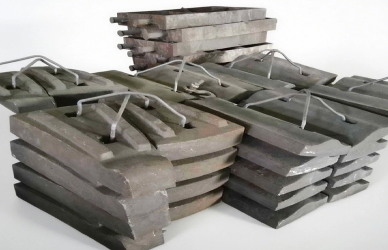
The first step in choosing the right cement mill liners is assessing the raw material hardness. Methods include:
Mohs Hardness Scale: Rates materials from 1 (soft) to 10 (hard).
Abrasion Index (AI): Measures abrasion resistance.
Bond Work Index: Indicates grinding energy requirements.
These tests help determine how abrasive the raw material is, guiding liner material selection.
Harder materials (e.g., clinker) require high-chrome alloys or carbon steel liners for abrasion and impact resistance.
Softer materials (e.g., clay or gypsum) are better suited to rubber or polyurethane liners, offering cost-effective wear protection.
Matching the liner material to raw material hardness ensures better performance and longer liner life.
Custom-designed liners are tailored to specific grinding conditions, including material hardness, mill speed, and feed size. These liners can enhance grinding efficiency and wear resistance, and provide better energy efficiency by optimizing media movement. Customization can extend liner life and improve overall mill performance.
Regular monitoring of liner wear is essential to adjust for changes in raw material hardness or grinding conditions. Frequent inspections and wear measurements ensure liners remain effective, preventing premature wear and reducing downtime. Technologies like wear sensors or ultrasonic testing can help track wear and optimize liner life.
Raw material hardness influences liner selection: harder materials like clinker require high-chrome alloys or carbon steel liners for abrasion and impact resistance, while softer materials like clay or gypsum are better suited for rubber or polyurethane liners.
No, using the same liner for different materials isn’t ideal. Harder materials cause faster wear, while softer materials lead to less wear. Incorrect liners can result in inefficient grinding and increased maintenance costs.
To measure hardness, use:
Mohs Hardness Scale: Ranks materials from soft to hard.
Abrasion Test: Measures resistance to grinding.
Bond Work Index: Indicates energy needed to grind the material.
These tests help assess material hardness for appropriate liner selection.
Liner replacement frequency depends on material hardness. Harder materials cause faster wear, requiring replacement every 6 to 12 months. Regular inspections are essential to identify wear signs and avoid unplanned downtime.
In conclusion, selecting the appropriate cement mill liners is essential for optimizing mill efficiency, reducing maintenance costs, and ensuring the longevity of the equipment. Understanding the raw material hardness plays a critical role in liner selection, as harder materials like clinker require more durable liners such as high-chrome alloys, while softer materials like clay and gypsum can be effectively processed with rubber liners. Regular monitoring of liner wear and timely replacement based on material hardness helps to prevent unexpected failures and downtime, ensuring continuous operation. By combining the right liner materials, customized designs, and optimized grinding conditions, businesses can enhance the grinding process, improve productivity, and extend the life of both the mill liners and the mill itself. Proactively addressing these factors will result in a more efficient and cost-effective milling operation.


