
Views: 0 Author: Site Editor Publish Time: 2026-03-03 Origin: Site
Choosing a crusher is not just about machines.It often depends on wear parts performance.This article compares wear parts for cone crushers vs impact crushers.You will learn which option fits your plant needs.Huihe Miningparts offers reliable wear parts for demanding operations.Learn more about our products.
Wear parts determine how a crusher behaves under load. Cone crushers rely on compressive crushing, where material is squeezed between the mantle and concave. Impact crushers rely on high-speed collisions, where blow bars strike material and force it against impact plates. These two mechanisms generate completely different stress patterns. Compression distributes force gradually, while impact concentrates energy in short bursts. This difference explains why wear parts for cone crushers tend to wear slowly and evenly, while impact crusher wear parts experience faster surface loss. When plants overlook this fundamental distinction, they often face unstable output or rising maintenance cost. Understanding how wear parts interact with crushing mechanics is the first step toward choosing the right system.
The main wear parts in cone crushers are the mantle and concave, sometimes called the bowl liner. These parts form the crushing chamber and directly control reduction ratio and throughput. They are typically made from high manganese steel, which work-hardens under pressure. As material is compressed, the surface becomes tougher, resisting abrasion over time. This behavior supports long service life in hard and abrasive conditions. Plants processing granite, basalt, or similar rock benefit from this stability. Consistent geometry also protects the crusher body and mainshaft. Many operators prefer well-engineered mantles and concaves, such as those supplied by experienced manufacturers like Huihe Miningparts, because precise fit and controlled metallurgy help maintain predictable wear patterns.
Impact crushers use blow bars and impact plates as their primary wear parts. Blow bars accelerate material and fracture it through repeated strikes. Impact plates redirect material back into the crushing zone. These parts often use high chrome iron or alloy steel to resist surface abrasion. While they deliver strong hardness, they offer less toughness than manganese steel. As a result, wear can accelerate in abrasive or contaminated feed. However, in softer materials, blow bars perform efficiently and deliver excellent reduction. Their design allows fast material breakdown, which supports high productivity in recycling and limestone applications.
Crushing mechanism defines wear behavior more than machine size or brand. Compression creates steady contact and gradual deformation. Impact creates repeated shock and surface erosion. These forces determine whether wear develops slowly or rapidly. Plants that align wear parts with crushing mechanics see better consistency and lower cost volatility.
Compression favors toughness and work hardening. Impact favors hardness and abrasion resistance. Mixing these principles often leads to premature failure.
Wear parts influence downtime, spare inventory, and cost per ton. In many plants, they matter more than the crusher frame itself.
Cone crusher wear parts thin gradually. Impact crusher wear parts lose edges or crack. Knowing these patterns supports proactive maintenance.
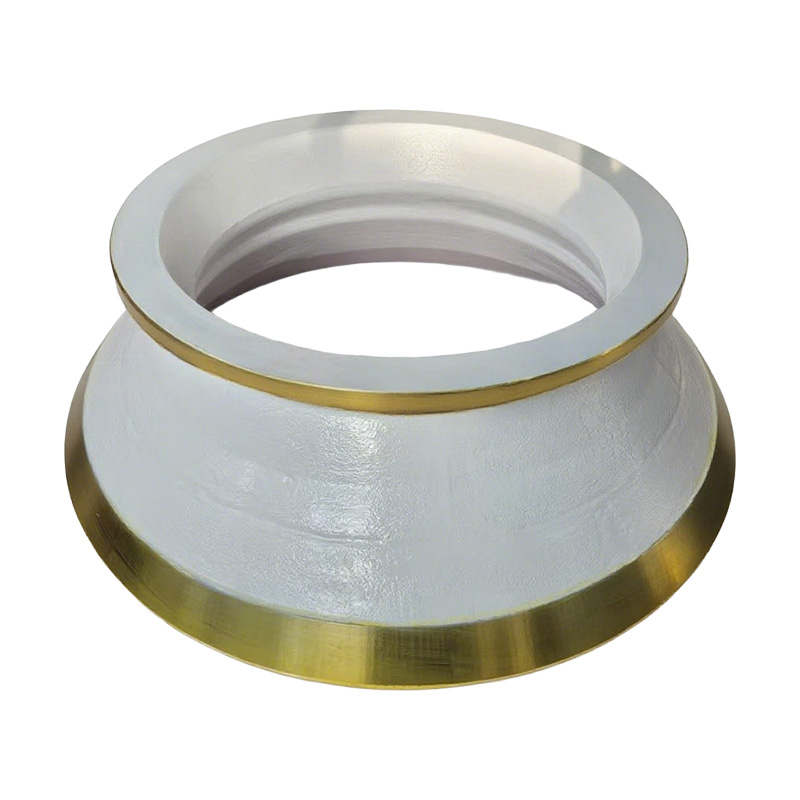
Wear parts for cone crushers are engineered for endurance, stability, and predictable performance over long operating periods. They function under continuous compressive load, which makes them especially suitable for abrasive materials and demanding production cycles. Because wear progresses gradually rather than suddenly, cone crusher wear parts help maintain consistent chamber geometry and stable output over time. This consistency reduces unexpected downtime and allows maintenance teams to plan liner changes with confidence. In mining and quarrying operations, where crushers often operate around the clock, such reliability is essential. Well-designed mantles and concaves also help reduce vibration and uneven stress, which protects internal components and supports longer service intervals.
Under high compressive forces, wear on the mantle and concave tends to develop evenly across the crushing surfaces. This uniform wear pattern preserves the original crushing profile and maintains a stable reduction ratio throughout the wear life. As a result, material flow remains consistent, and sudden drops in throughput are less likely. Even wear also minimizes localized stress points, which helps prevent liner cracking and protects the crusher head and frame from unnecessary load concentration.
Abrasive feed materials such as granite, basalt, and hard gravel significantly increase wear intensity. Cone crusher wear parts are commonly produced from high manganese steel, which resists abrasion through work hardening. As the surface is exposed to pressure and impact, it becomes harder and more wear resistant. This behavior makes cone crusher wear parts particularly effective in hard rock environments, where durability and resistance to surface erosion are critical for sustained operation.
Stable wear profiles are one of the key advantages of cone crusher wear parts. Because wear progresses predictably, operators can monitor liner thickness and schedule replacements before performance declines. This improves maintenance planning and reduces the risk of emergency shutdowns. Predictable wear behavior also helps plants manage spare parts inventory more efficiently, avoiding both shortages and unnecessary stock.
In hard rock applications, cone crusher wear parts typically achieve longer service life than impact crusher alternatives. Although the initial cost may be higher, the extended wear life often results in lower cost per ton over time. Longer service intervals also reduce labor demands and production interruptions, making cone crushers a cost-effective choice for abrasive, high-load operations.
Impact crusher wear parts are designed to prioritize rapid size reduction and particle shape control. They perform best in applications where cubical output and high reduction ratios are more important than maximum wear resistance. Blow bars strike material at high velocity, creating clean fractures and producing well-shaped aggregates. This aggressive crushing action delivers excellent product quality but also increases wear intensity. In highly abrasive environments, wear rates can rise quickly. However, in softer materials or recycling applications, impact crusher wear parts offer strong efficiency and acceptable service life when feed quality is well controlled.
Blow bars experience intense surface stress due to repeated high-speed impacts. Wear commonly appears along the leading edges, where material contact is most frequent. Edge rounding gradually reduces crushing efficiency, signaling the need for replacement. Proper material selection and rotation practices can help extend blow bar life and maintain consistent performance.
Impact crushing breaks material through collision rather than compression. This mechanism improves particle shape by reducing elongated or flaky particles. As a result, impact crusher wear parts are widely used in concrete, asphalt, and aggregate applications where shape quality directly affects downstream performance and product value.
Soft and medium-hard materials place less stress on impact crusher wear parts. In these conditions, blow bars wear more slowly and maintain effective crushing edges for longer periods. This allows plants to benefit from high reduction ratios and good product shape without excessive wear cost.
Replacement cycles for impact crusher wear parts are generally shorter than for cone crushers, but changeouts are relatively fast. Plants must plan spare inventory and labor resources carefully to avoid unplanned downtime. Well-organized maintenance routines help balance productivity with wear management.
Comparing wear part costs requires looking beyond the initial purchase price. Wear life, downtime, labor, and production loss all contribute to total operating cost. Cone crusher wear parts typically cost more upfront but offer longer service life and more predictable replacement intervals. Impact crusher wear parts are usually less expensive per unit but require more frequent replacement. The most effective choice depends on material hardness, production targets, and maintenance strategy. Plants that focus on cost per ton rather than unit price are more likely to achieve long-term cost control and operational stability.
Cost Aspect | Cone Crusher Wear Parts | Impact Crusher Wear Parts |
Initial cost | Higher | Lower |
Wear life | Long | Short to medium |
Downtime risk | Low | Medium |
Cost predictability | High | Variable |
When comparing wear parts, initial price can be misleading if it is viewed in isolation. Cone crusher wear parts often have a higher upfront cost because of material quality, casting complexity, and weight. However, in abrasive conditions, their longer service life usually offsets this difference. Impact crusher wear parts may appear cheaper at first, but faster wear can lead to frequent replacements. Over time, this increases labor, downtime, and inventory pressure. Plants that focus on lifetime cost instead of purchase price often find cone crusher wear parts more economical in demanding applications, especially when stable production is required.
Cost per ton is a practical metric for evaluating wear performance. Cone crusher wear parts typically deliver a lower cost per ton in hard and abrasive materials because they wear gradually and predictably. Long service life reduces replacement frequency and limits production interruptions. This stability also simplifies maintenance planning and spare management. As a result, budgets become easier to control. Many plants value this predictability, as it reduces financial surprises and supports long-term operational planning without constant adjustment.
For impact crushers, cost per ton varies widely depending on feed conditions. In soft or non-abrasive materials, blow bars can achieve reasonable wear life and competitive cost per ton. However, when feed hardness or contamination increases, wear accelerates quickly. This raises replacement frequency and labor cost. As a result, cost per ton can fluctuate significantly. Plants using impact crushers must monitor wear closely and adjust material flow to maintain acceptable operating costs.
Wear rate directly influences operating budgets. Faster wear increases spending on spare parts and labor while also raising downtime risk. Each unplanned shutdown reduces output and strains production schedules. Over time, these effects accumulate and reduce profitability. Slower, predictable wear supports stable budgeting and smoother operations. Plants that track wear rates and adjust crusher selection accordingly are better positioned to control long-term costs and maintain consistent production.
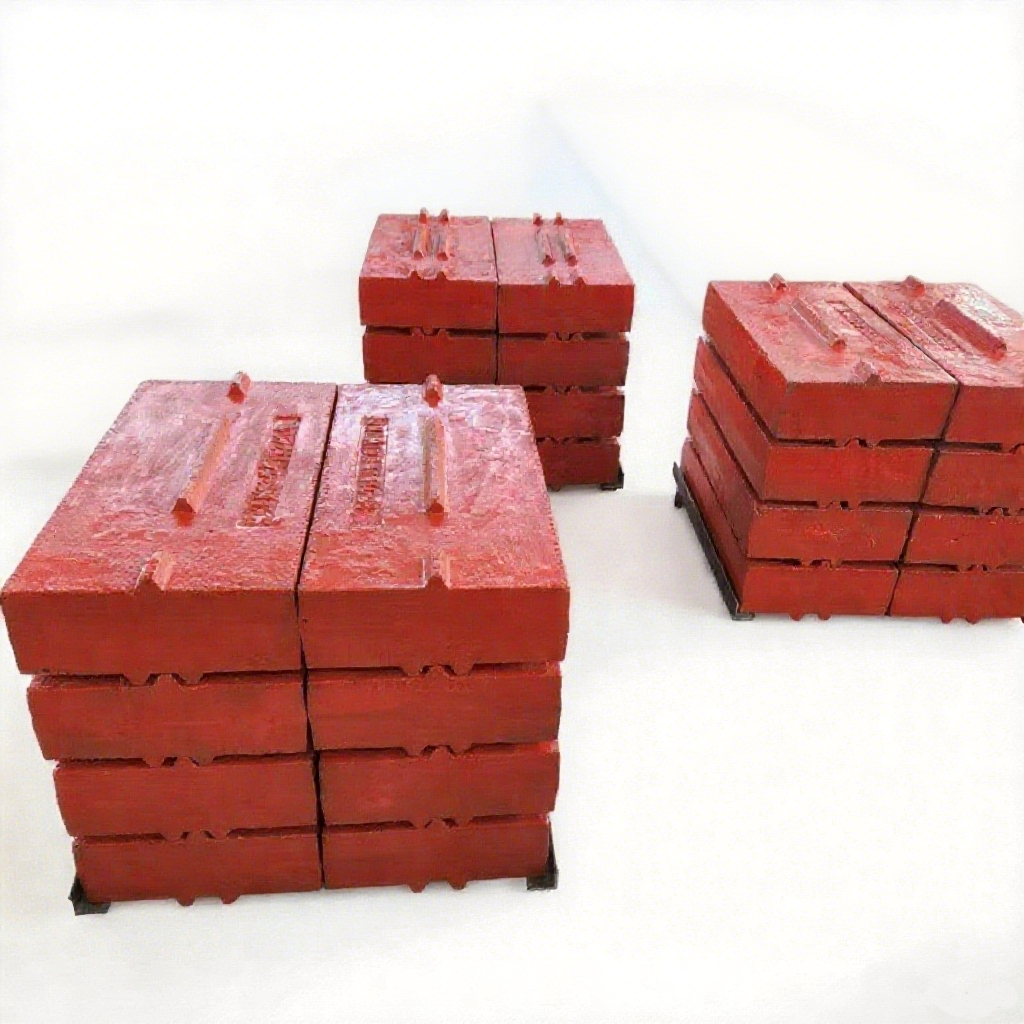
Application context defines the right wear solution. Material hardness, feed size, and contamination level all influence wear behavior. A crusher that performs well in one plant may struggle in another. Plants that evaluate these factors carefully avoid mismatches and wasted investment. Many operations rely on experienced wear part suppliers, such as Huihe Miningparts, to help align material choice and geometry with real operating conditions. This alignment improves reliability and reduces unexpected wear issues.
Hard rock environments place constant stress on wear parts. Cone crushers perform well here because their wear parts resist abrasion and maintain stable chamber geometry. This stability supports consistent output and lower downtime. In these conditions, impact crusher wear parts often wear too quickly, raising cost and maintenance demands.
Soft materials favor impact crushers. Their wear parts deliver fast reduction and excellent particle shape. In recycling and limestone applications, blow bars can achieve acceptable service life while producing high-quality output. This balance makes impact crushers attractive where shape quality matters more than extreme wear resistance.
Feed size and contamination strongly affect wear. Large feed suits impact crushers, which handle variation well. Clean, controlled feed suits cone crushers, supporting even wear. Tramp metal or fines can accelerate wear in both systems, making feed control essential.
Production targets guide wear part choice. High throughput and long runs favor cone crushers. Shape control and flexibility favor impact crushers. Selecting wear parts that match these goals helps plants achieve consistent performance without excessive cost.
Wear parts directly influence final product quality. Crushing action determines particle shape, fines content, and consistency. Impact crusher wear parts produce cubical particles that suit concrete and asphalt markets. Cone crusher wear parts deliver consistent size but less shape control. Plants must balance quality requirements with wear life and cost. Aligning wear part selection with market needs ensures both performance and profitability.
Quality Factor | Cone Crusher | Impact Crusher |
Particle shape | Average | Excellent |
Fines control | Stable | Higher fines |
Consistency | High | Variable |
Cone crusher wear parts rely on compressive force to break material between the mantle and concave. This crushing action is efficient for reducing hard and abrasive rock, but it naturally produces particles that are more elongated or flaky in shape. For many quarry and mining operations, this shape is acceptable, especially when the primary goal is volume and durability. However, in applications with strict aggregate shape requirements, secondary shaping equipment may be needed. Well-designed cone crusher wear parts can still improve shape consistency by maintaining stable chamber geometry and controlled material flow throughout the crushing process.
Impact crusher wear parts generate particle breakage through high-speed impact rather than compression. Blow bars strike the material and force it against impact plates, creating multiple fracture points. This process results in more cubical particles with smoother surfaces and better angularity. Such output is highly valued in concrete and asphalt production, where bonding strength and finish quality matter. Although impact crusher wear parts may experience faster wear in abrasive conditions, their ability to deliver superior particle shape makes them a preferred choice in shape-critical applications.
Fines generation is closely linked to how wear parts interact with material. Impact crushing tends to create more fines because repeated collisions break material aggressively. This can be beneficial in some applications but problematic in others. Cone crushers, using compressive force, usually produce fewer fines and offer tighter control over particle size distribution. Stable cone crusher wear parts help limit excessive breakage and maintain consistent output. Plants must balance fines tolerance with production goals when selecting between these wear systems.
In certain markets, product shape carries more value than wear life. High-quality aggregates for concrete, asphalt, or decorative stone often demand cubical particles, even if this increases wear part consumption. In these cases, plants may accept higher replacement frequency and cost to meet specification requirements. Impact crusher wear parts fit this role well. The key is recognizing when shape quality delivers greater overall value than extended wear life and aligning equipment and wear parts accordingly.
Maintenance strategy differs sharply between crusher types, and these differences strongly influence daily plant operations. Cone crushers are designed around longer wear cycles, which means shutdowns are less frequent but usually more involved. Maintenance teams often plan these stops well in advance, aligning liner changes with broader service windows to reduce production loss. Impact crushers follow a different rhythm. Their wear parts require closer monitoring and more frequent inspections, but changeouts are faster and easier to execute. Understanding this contrast helps plants allocate labor more effectively, manage spare parts inventory, and maintain steady production schedules without unnecessary interruptions.
Replacing cone crusher wear parts typically requires more preparation and time. Mantles and concaves are heavy components, and replacement often involves lifting equipment and skilled technicians. However, these replacements happen far less often due to the long wear life of the parts. With proper planning, plants can schedule replacements during planned shutdowns, minimizing disruption and avoiding emergency stops that could affect upstream or downstream processes.
Impact crusher wear parts are lighter and easier to access. Blow bars and impact plates can often be replaced quickly, allowing plants to return to operation with minimal delay. The trade-off is frequency. Because these parts wear faster, maintenance teams must schedule replacements more often and keep a close eye on wear progression. Effective scheduling is critical to prevent excessive downtime or sudden performance drops.
Unexpected wear part failure can disrupt production and create safety risks. When wear is predictable, plants can replace parts before performance declines sharply. Cone crushers benefit from gradual wear patterns, which reduce the likelihood of sudden failure. Impact crushers require closer monitoring because wear can accelerate quickly under abrasive conditions. Predictable wear behavior is key to controlling downtime risk.
Cone crushers usually require more specialized technical knowledge. Proper liner installation and adjustment are critical for performance and safety. Impact crushers, by contrast, allow simpler servicing and faster training for maintenance staff. This difference can influence staffing decisions and long-term maintenance strategy.
Note: Maintenance planning should always reflect actual wear behavior rather than relying only on fixed calendar intervals.
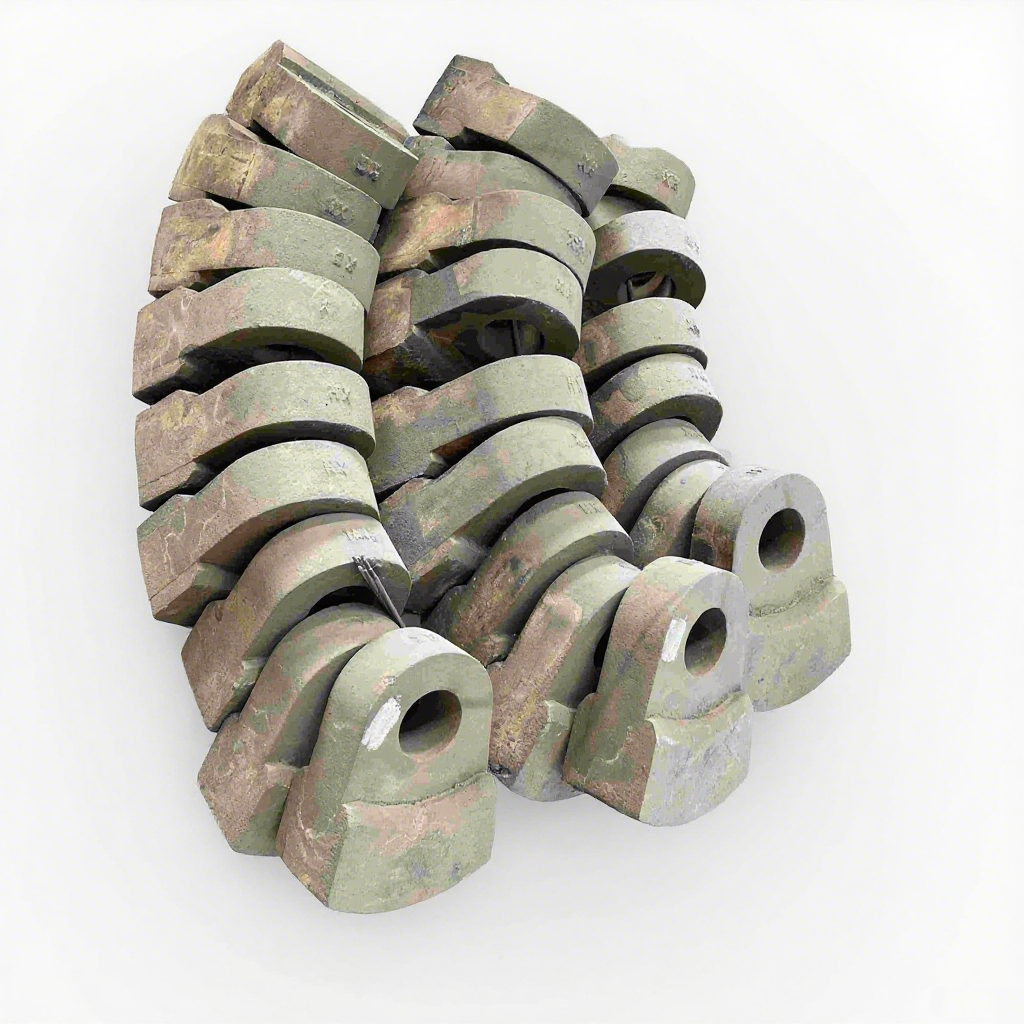
There is no universal answer to which wear parts fit every plant. The best choice depends on material characteristics, production targets, and budget priorities. Many modern operations use both cone and impact crushers to balance wear life and product quality. Cone crushers manage bulk reduction and handle abrasive feed efficiently, while impact crushers refine shape and improve final product quality. When supported by reliable wear parts and careful planning, this combined approach delivers flexible and resilient long-term performance.
Material hardness is often the first decision factor. Hard and abrasive materials naturally favor cone crushers, while softer materials allow impact crushers to operate efficiently with acceptable wear rates.
High-volume, continuous production places steady stress on wear parts, favoring cone crushers. Operations that require flexibility and frequent product changes may prefer impact crushers.
Plants focused on long-term stability and predictable costs often lean toward cone crushers. Those with limited upfront budgets may start with impact crushers and manage wear more actively.
Using both crusher types allows plants to capture the strengths of each. This strategy balances efficiency, wear life, and product quality across changing operating conditions.
Tip: Regularly review wear data and production results to ensure that your crusher and wear parts selection still matches current material and output requirements.
Wear parts for cone crushers vs impact crushers define plant performance and cost control. Cone crusher wear parts offer durability and stability in abrasive conditions, while impact crusher wear parts provide speed and better shape for softer materials. Choosing the right option depends on material, output goals, and maintenance needs. Huihe Miningparts delivers reliable wear parts that help plants reduce downtime and maintain long-term value.
A: Wear parts for cone crushers use compression for durability, while impact crusher wear parts rely on high-speed impact for better shape.
A: Wear parts for cone crushers offer longer service life and predictable cost per ton in abrasive applications.
A: Impact crusher wear parts provide faster reduction and cubical output for soft materials and recycling.
A: The right wear parts for cone crushers vs impact crushers depend on material hardness, shape needs, and maintenance capacity.


