
Views: 0 Author: Site Editor Publish Time: 2026-02-24 Origin: Site
Impact crushers face extreme wear every day.Without proper impact crusher wear part maintenance, efficiency drops fast.In this article, we explain how to maintain and replace wear parts correctly.You will learn inspection timing, replacement steps, and cost control methods.Huihe Miningparts offers reliable wear parts solutions—learn more about our products.
Blow bars are the main working elements inside an impact crusher. They strike incoming material at high speed and initiate the crushing process through repeated impact. Because they absorb most of the kinetic energy, they experience the fastest wear among all impact crusher wear parts. As the blow bar profile changes, impact force distribution also changes, which can reduce crushing efficiency and increase stress on the rotor. Regular monitoring of blow bar condition is therefore essential to maintain stable performance. When wear is allowed to progress too far, it may expose the rotor body and create expensive secondary damage.
Impact plates and liners are designed to receive material thrown from the blow bars and redirect it back into the crushing path. They play a key role in shaping particle size and controlling material flow inside the chamber. As these liners wear, their surface geometry changes, leading to uneven material rebound and inconsistent product gradation. Worn liners also reduce protection for the crusher housing, increasing the risk of structural wear. Maintaining liner thickness and alignment helps preserve crushing efficiency and protects critical components. Their condition should always be evaluated together with blow bar wear patterns.
Side liners protect the lateral walls of the crushing chamber from direct impact and abrasion. Although they do not participate directly in crushing, they are essential for maintaining chamber geometry and preventing metal-to-metal contact. Excessive wear in these areas often indicates uneven feeding or improper crusher settings. If side liners fail, frame damage may occur, which is costly and time-consuming to repair. Consistent inspection of these secondary wear parts helps identify operational issues early. They also contribute to overall impact crusher maintenance stability.
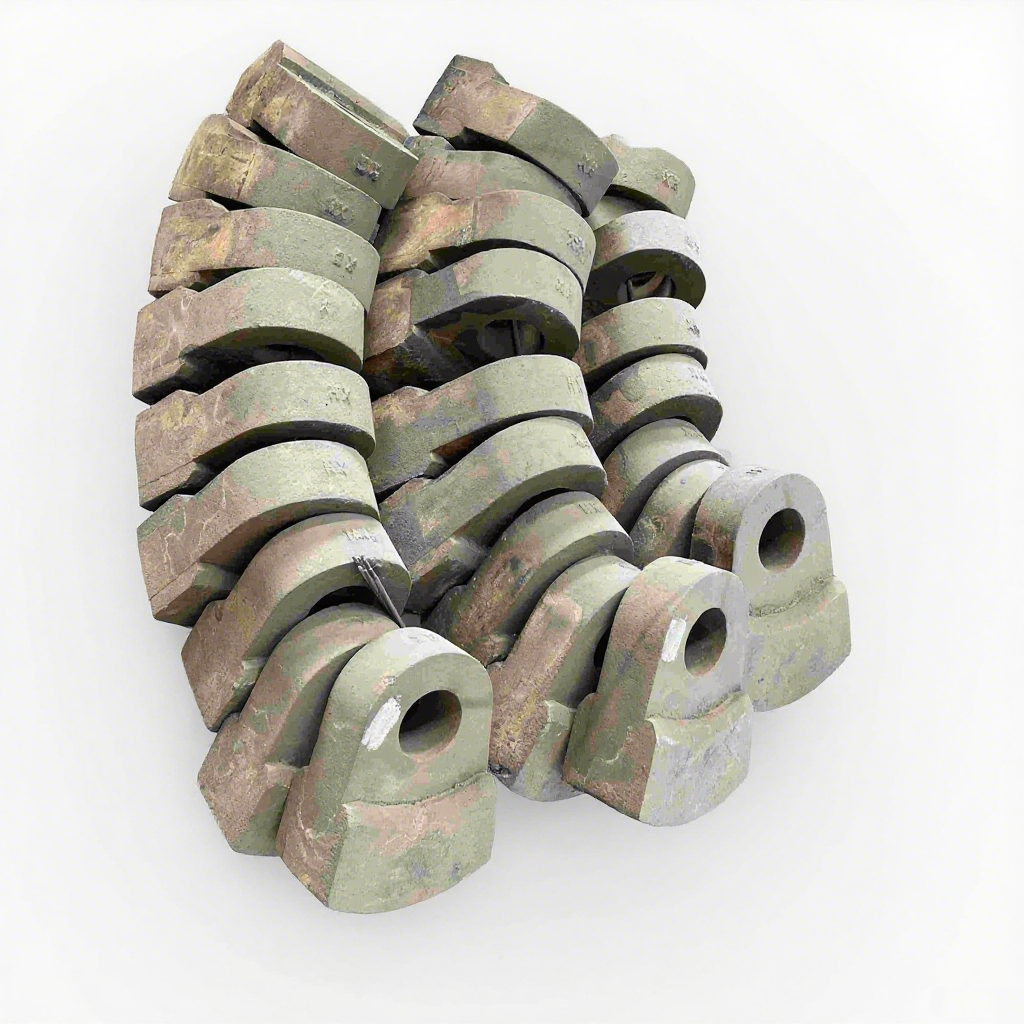
As wear parts degrade, the crusher’s ability to control particle size gradually weakens. Rounded blow bars and uneven liners reduce impact intensity and alter material trajectories. This often results in wider particle size distribution and more fines than expected. Over time, product quality becomes inconsistent, which can affect downstream processing or final application requirements. These changes are often subtle at first but become more pronounced as wear accelerates. Proper wear part maintenance helps maintain consistent output quality.
Wear patterns directly influence how material moves through the crusher. Uneven wear can cause localized material buildup or uneven loading on the rotor. This reduces effective throughput and increases vibration levels. Operators may compensate by increasing feed rate, which often worsens wear conditions. Monitoring wear trends allows maintenance teams to adjust operating parameters before performance drops significantly. Balanced wear patterns support stable and predictable production rates.
Delayed replacement of worn parts can trigger a chain reaction of failures. Once wear reaches structural components, repair costs rise sharply. Rotor imbalance, bearing overload, and shaft stress are common secondary issues. These failures often result in extended downtime and higher safety risks during emergency repairs. Preventive replacement is therefore a key strategy in impact crusher wear part maintenance. Early intervention protects both equipment and personnel.
Visual inspection remains one of the most effective tools for identifying wear. Cracks, chips, thinning edges, and discoloration often signal excessive stress or material incompatibility. Inspectors should pay close attention to leading edges and corners of blow bars and liners. Regular visual checks help detect abnormal wear patterns early. This approach supports timely corrective actions before performance is affected.
Quantitative measurement complements visual inspection. Calipers, wear gauges, and reference templates can be used to measure remaining thickness. Recording these values over time helps establish wear rates under specific operating conditions. Once wear approaches defined limits, replacement planning becomes more accurate. Measurement-based decisions reduce guesswork and improve maintenance efficiency.
A structured inspection checklist ensures consistency across shifts and teams. It standardizes what to inspect, how to inspect it, and how often inspections occur. Checklists also improve communication between operators and maintenance staff. Over time, collected inspection data supports predictive maintenance strategies. This systematic approach strengthens impact crusher maintenance programs.
Inspection Focus Areas and Typical Indicators
Wear Part | Key Inspection Area | Common Warning Signs |
Blow bars | Leading edge and corners | Cracks, thinning, breakage |
Impact liners | Contact surface | Uneven wear, deformation |
Side liners | Chamber sidewalls | Grooves, exposed base metal |
Normal wear occurs gradually and follows predictable patterns. Abnormal failure often results from tramp metal, incorrect material selection, or casting defects. Differentiating between the two helps identify root causes and prevent recurrence. Sudden breakage usually requires immediate investigation and corrective action. Understanding failure modes improves long-term maintenance planning.
Wear parts should be replaced before they are completely worn through. This prevents direct contact between material and the rotor body. Replacing parts too late significantly increases repair costs. Optimal timing balances maximum wear life with equipment protection. Planned replacement windows reduce operational disruption.
Many blow bars are designed with reversible profiles. Rotating them allows operators to use both sides evenly. However, rotation is only effective if structural integrity remains intact. Once cracks or deep wear appear, full replacement is safer. Making the right decision requires careful inspection and experience.
Before replacement begins, the crusher must be shut down and isolated from power sources. The rotor should be secured to prevent movement during maintenance. Proper lifting equipment is required due to the weight of wear parts. Clear communication among team members is essential. Safety preparation reduces accident risks significantly.
Removal should follow the manufacturer’s recommended sequence to avoid stress concentration. During installation, alignment and fastening torque must meet specifications. Improper installation can lead to uneven wear or premature failure. Attention to detail during this step ensures long service life. Consistency in procedures improves overall reliability.
After installation, a controlled test run is necessary. Operators should monitor vibration, noise, and temperature closely. Fasteners should be rechecked after initial operation. These checks confirm that parts are seated correctly. Early detection of issues prevents damage escalation.
Tip Regularly documenting replacement procedures helps maintenance teams improve accuracy and efficiency over time.
Material hardness, abrasiveness, and moisture content strongly affect wear rates. Pre-screening and removal of contaminants reduce impact stress. Consistent feed size improves crushing efficiency. Proper material preparation extends wear part life significantly.
Maintaining correct gap settings prevents excessive impact forces. Balanced loading reduces localized wear. Operators should adjust settings based on material characteristics. Stable operating conditions support predictable wear patterns.
Scheduled inspections and replacements reduce emergency repairs. Preventive maintenance aligns wear life with production planning. It also improves spare parts management. Long-term cost control depends on proactive scheduling.
Factors Affecting Wear Part Life
Factor | Influence on Wear | Control Method |
Material hardness | High abrasion | Material selection, screening |
Feed consistency | Uneven impact | Controlled feeding |
Crusher settings | Excessive stress | Regular adjustment |
Improper torque can loosen fasteners or crack components. Both outcomes shorten service life. Following torque specifications is essential. Training reduces installation-related failures.
Combining worn and new parts creates imbalance. This accelerates uneven wear and vibration. Replacing sets together maintains symmetry. Balanced replacement supports stable operation.
Skipping inspections after replacement increases risk. Small issues can escalate quickly under load. Verification ensures readiness for full operation. Attention after installation saves time later.
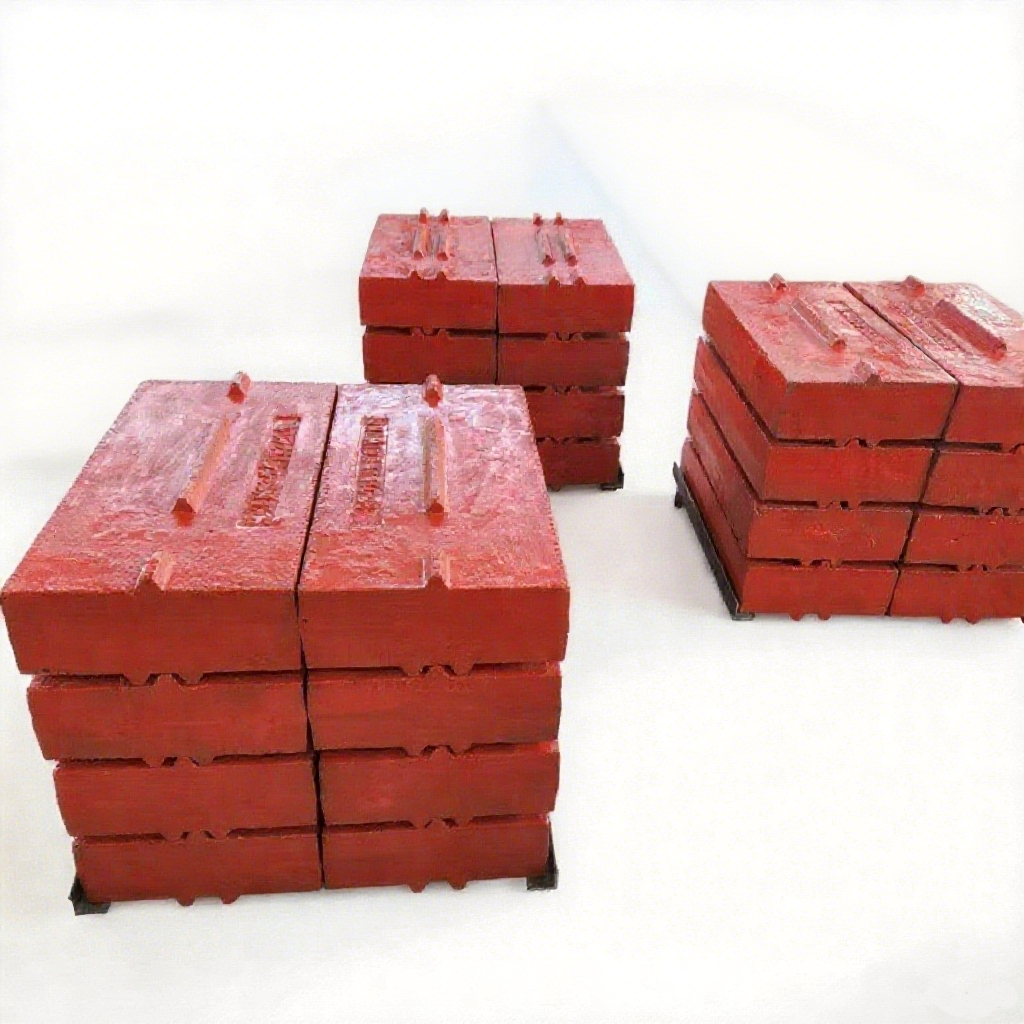
Replacing too early wastes material life. Replacing too late increases failure risk. Optimal timing balances both factors. Data-driven decisions improve cost efficiency.
Planned maintenance minimizes production disruption. Spare parts availability supports quick turnaround. Downtime reduction improves overall profitability. Planning is a competitive advantage.
Material quality affects wear resistance and consistency. High-quality parts offer predictable performance. They often reduce total cost of ownership. Investment in quality supports operational stability.
Planned Replacement Versus Reactive Replacement
Strategy | Downtime Risk | Cost Predictability | Equipment Protection |
Planned replacement | Low | High | Strong |
Reactive replacement | High | Low | Weak |
Note Proactive wear part management often delivers better long-term value than short-term cost savings.
Maintaining and replacing wear parts requires discipline and planning.Proper impact crusher wear part maintenance protects efficiency and reliability.Timely inspection and replacement extend equipment life and reduce downtime.Huihe Miningparts provides durable wear parts that deliver stable performance and long-term value.
A: Impact crusher wear part maintenance means inspecting, rotating, and replacing parts to protect efficiency and reliability.
A: To replace impact crusher wear parts, shut down the machine, secure the rotor, and follow a step-by-step replacement guide.
A: Timely impact crusher wear part replacement prevents rotor damage, reduces downtime, and extends equipment life.
A: Good impact crusher wear part maintenance lowers repair costs, avoids failures, and improves long-term production stability.


