
Views: 0 Author: Site Editor Publish Time: 2025-12-15 Origin: Site
White iron mill liners play a critical role in protecting the mill shell from the abrasive wear and tear caused by the grinding media and raw materials during the grinding process. These liners are specifically designed to withstand the high-impact forces and harsh conditions present in grinding mills. Selecting the right liner material is essential for optimizing mill performance, as different raw materials and grinding conditions require liners with varying properties. In this article, we will provide a comprehensive guide to white iron mill liners, exploring their key properties, the advantages they offer, and the best practices for selecting and maintaining them to maximize durability and efficiency in milling operations.
White iron is a type of cast iron known for its hardness and abrasion resistance, making it ideal for mill liners. Composed of iron and carbon (2%-4%), white iron contains a cementite microstructure that provides superior hardness. Its high carbon content makes it highly durable in high-impact and abrasive environments, making it perfect for grinding mills.
High-Chromium White Iron: Containing 12-30% chromium, it offers excellent abrasion resistance and is ideal for grinding harder materials like clinker and ores.
Low-Chromium White Iron: With less chromium (1-5%), it has lower hardness but better toughness and resilience, making it suitable for less abrasive materials.
The choice between high-chromium and low-chromium white iron depends on the abrasiveness of the raw materials being processed.
White iron mill liners are produced through casting and heat treatment:
Casting: The molten metal is poured into molds to create the desired liner shape, with precise control of composition and cooling to achieve the right hardness.
Heat Treatment: Post-casting, the liners undergo quenching and tempering to enhance their wear resistance and impact strength. Quenching increases hardness, while tempering improves toughness and reduces brittleness.
This process ensures that white iron mill liners provide the necessary durability and wear resistance for efficient milling operations.
White iron mill liners are commonly used in various types of grinding mills due to their exceptional abrasion resistance and durability. These mills include:
Ball Mills: Widely used in mineral processing and cement production, white iron liners help withstand the high-impact and abrasive forces in these mills.
Rod Mills: Similar to ball mills, rod mills also benefit from white iron liners, providing protection against wear while ensuring efficient grinding.
SAG Mills: In semi-autogenous grinding mills, white iron liners offer excellent wear resistance against the large grinding media and coarse materials typically used in these mills.
These mills rely on the durability of white iron liners to ensure extended service life and reduce the frequency of liner replacements.
Several industries benefit from using white iron mill liners due to their abrasion resistance and strength:
Mining: In mining operations, white iron liners are essential for processing ores, where they protect the mill from aggressive wear caused by the high impact of grinding media and abrasive raw materials.
Cement Production: Cement mills, particularly those processing clinker, require white iron liners to endure the tough grinding environment where high abrasion is common.
Quarrying: White iron liners are also used in the processing of aggregate and minerals in the quarrying industry, where abrasive materials cause significant wear on mill liners.
These industries rely on white iron liners to maximize grinding efficiency and reduce operational downtime.
White iron liners are particularly well-suited for grinding harder raw materials that are abrasive and require high resistance to wear:
Harder Ores: White iron is ideal for grinding materials like gold ore, copper ore, and iron ore, where the hardness and abrasiveness of the material demand liners with high abrasion resistance.
Abrasive Minerals: Materials like quartz, sandstone, and other abrasive minerals benefit from white iron liners' ability to withstand the harsh impact forces without excessive wear.
Clinker: The abrasive nature of clinker, a byproduct of cement production, also requires the use of high-chromium white iron liners to handle the grinding forces while protecting the mill from excessive wear.
White iron mill liners are specifically designed to handle these types of materials, providing enhanced durability and reducing maintenance costs.
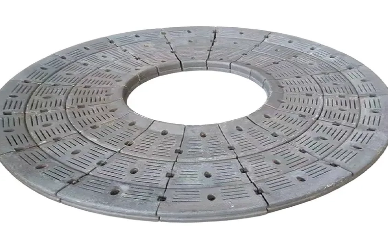
Choosing the right white iron liner material depends on the raw material hardness and milling conditions:
High-Chromium White Iron: This is ideal for grinding harder materials like clinker, abrasive ores, and hard minerals. High-chromium white iron offers superior abrasion resistance and wear durability, making it perfect for mills handling abrasive materials in high-impact environments.
Low-Chromium White Iron: Suitable for less abrasive materials, such as softer ores or materials in wet grinding processes, low-chromium white iron provides better toughness and resilience while maintaining good wear resistance. It’s often used when the material being ground is less abrasive and where impact resistance is needed.
By matching the appropriate chromium content with the raw material’s abrasiveness, you can ensure optimal liner performance and extended service life.
The design of the mill liner profile plays a crucial role in optimizing grinding efficiency and maximizing the life of the liner:
Wave Liners: These are commonly used to improve media lift and enhance grinding efficiency. They create a better cascading action and are most effective in mills grinding harder materials where strong impact forces occur.
Ribbed Liners: Ribbed designs are used to improve media flow and can be tailored to specific mill configurations. They are ideal for medium to high abrasion environments and help reduce liner wear while improving grinding efficiency.
Smooth Liners: Best suited for softer materials or wet grinding applications where minimal friction is required. They offer a lower wear rate but are less efficient for grinding hard, abrasive materials.
Choosing the right liner profile based on grinding requirements and material characteristics will optimize both performance and liner life.
Customizing white iron mill liners allows you to tailor the liner design and material properties to specific grinding conditions:
Custom Designs: Tailored liner profiles and designs (e.g., variations in rib height, thickness, and reinforcements) can help achieve more efficient media movement, enhance impact resistance, and optimize grinding power.
Wear Zones: Customization allows for targeted wear resistance in high-wear areas, improving liner longevity in zones that experience more stress.
Material Adjustments: Depending on the specific conditions (e.g., material hardness, moisture content, or feed size), liners can be customized with higher chromium content in the most abrasive zones, or tougher alloys in areas with higher impact.
Customized liners provide a cost-effective and efficient solution for optimizing mill performance and extending the lifespan of both the liners and the mill itself.
Regular inspections are crucial for maintaining white iron mill liners. Inspect for signs of wear, such as cracks or abrasion, to determine when they need replacing. Early detection helps prevent further damage to the mill shell and reduces downtime. Check liner thickness and surface conditions to ensure liners are still performing efficiently.
Proper handling and installation are key to avoiding damage to white iron liners. Use the right lifting equipment to prevent cracks or breaks, and ensure liners are properly aligned during installation. Incorrect alignment or loose liners can cause uneven wear, reducing their lifespan and mill efficiency.
Maintaining white iron liners in good condition directly improves grinding efficiency and reduces power consumption. Worn liners cause increased friction, lowering mill performance. Regular maintenance and timely replacement of liners help reduce energy costs, ensure better grinding action, and extend the lifespan of both liners and the mill.
High-chromium white iron has superior abrasion resistance and is ideal for grinding harder materials like clinker and ores. Low-chromium white iron offers better toughness and is more suited for medium wear applications with less abrasive materials, providing a balance of wear resistance and impact strength.
Yes, white iron liners perform well in both wet and dry milling conditions. They are commonly used in dry grinding for hard and abrasive materials, and in wet grinding for ores and minerals, offering durability and high wear resistance in both environments.
White iron liners offer excellent wear resistance and abrasion resistance, making them more durable than steel liners in harsh conditions. Compared to rubber and composite liners, they are more cost-effective for high-impact grinding but can be more expensive upfront. However, their longer lifespan can reduce long-term costs.
The lifespan of white iron mill liners depends on factors like material hardness and milling conditions. On average, they can last anywhere from 6 months to 2 years, depending on the abrasiveness of the raw materials and the mill’s operational conditions.
To sum up, white iron mill liners offer significant advantages for high-wear applications in grinding mills, thanks to their outstanding abrasion resistance and durability in demanding environments. Choosing the right liner material, profile, and maintaining proper maintenance practices are key to ensuring the best performance and maximizing the lifespan of both the liners and the mill. Businesses should consider white iron liners for their long-lasting durability, cost-effectiveness, and reliable performance in challenging grinding conditions, ultimately optimizing efficiency and reducing long-term maintenance costs.


