
Views: 0 Author: Site Editor Publish Time: 2025-12-11 Origin: Site
Ball mill liners are essential components that protect the mill shell from wear and tear caused by the constant friction and impact of grinding media and materials. These liners play a crucial role in enhancing the grinding process by lifting the grinding media, ensuring an efficient cascading action that improves grinding performance. However, over time, mill liners experience wear, which can reduce the efficiency of the mill and lead to costly maintenance. Extending the service life of ball mill liners is key to minimizing downtime and optimizing mill performance. In this article, we will explore various strategies and best practices to help businesses maximize the lifespan of their ball mill liners, including material selection, proper installation, and maintenance techniques.
The material used for ball mill liners plays a critical role in their wear resistance and lifespan. Common materials include:
High Manganese Steel: Offers excellent toughness and resistance to impact, ideal for heavy, abrasive wear but can be brittle.
Chrome Alloys: Known for hardness and abrasion resistance, these are suited for high-wear environments.
Rubber Liners: Best for wet milling due to good abrasion resistance, but less suitable for high-impact grinding.
Each material’s properties affect how well the liners can endure wear, with harder materials offering greater durability but possibly being more prone to cracking.
Several operating conditions influence the wear rate of ball mill liners:
Mill Speed: Higher speeds result in more impact on the liners, increasing wear.
Feed Size: Larger feed sizes create more impact, leading to faster liner degradation.
Grinding Media: The size and hardness of grinding media affect liner wear, with harder media causing more abrasion.
Adjusting these factors can optimize liner life and improve mill performance.
The design of the mill and liner geometry significantly affect wear:
Ball Mills: Wave liners improve media lift but can cause faster wear if not designed properly.
Rod Mills: Ribbed liners are used to minimize wear on the shell and align rods effectively.
Custom Liners: Tailored liners can match the mill's specific operating conditions for better durability.
The right combination of liner design and mill type ensures more efficient grinding and reduces wear.
Regular inspections of ball mill liners are essential to identify early signs of wear, cracks, or damage. By performing routine visual inspections and using non-destructive testing methods, you can detect issues before they lead to unexpected failures or costly downtime. Early identification allows for timely adjustments, repairs, or replacements, helping to extend liner life and optimize mill performance.
Operating conditions have a direct impact on the wear rate of ball mill liners. Adjusting mill speed, feed size, and media size can significantly reduce wear. For instance:
Mill Speed: Operating at the optimal speed reduces the impact on liners. Excessively high speeds increase wear due to higher media velocity.
Feed Size: Using the correct feed size can prevent excessive force on liners, reducing abrasion.
Media Size: Matching the grinding media size to the mill's design improves grinding efficiency and minimizes liner wear.
By optimizing these factors, you can improve both grinding efficiency and liner durability.
Improper handling of materials can increase the risk of abrasion and impact on liners. Ensure that:
Materials entering the mill are of the appropriate size to avoid excessive stress on liners.
The composition of the materials being processed is consistent, as variations can lead to uneven wear.
The mill is regularly cleaned to remove built-up materials that can cause unnecessary friction.
Proper material handling reduces unnecessary wear on the liners, extending their service life.
Timely liner replacement and proactive maintenance are essential to preventing excessive wear and damage. Monitor the condition of the liners regularly to identify when they need replacing. Replacing worn liners before they cause damage to the mill shell or other components helps avoid more costly repairs. Additionally, proactive maintenance, such as regularly tightening bolts or inspecting for cracks, ensures that the liners remain securely in place and function optimally.
Modern technologies like ceramic coatings or anti-wear treatments can significantly enhance the durability of ball mill liners. These treatments improve abrasion resistance and protect the liners from high-impact forces, making them last longer and perform better in harsh grinding environments. Incorporating these advanced protection technologies into your liner system can lead to reduced maintenance costs and improved mill efficiency.
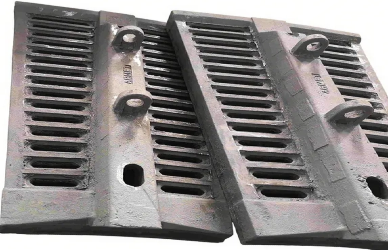
The design and geometry of ball mill liners play a significant role in their wear patterns and overall lifespan. Liners such as shell liners and end liners are strategically designed to interact with the grinding media and ensure the effective movement and impact of materials.
Shell Liners: These liners are designed to lift and cascade the grinding media effectively, ensuring optimal grinding action. The profile and shape of the shell liner affect the degree of lifting and how efficiently the media grinds the materials. A well-designed liner reduces excessive wear while improving the grinding process.
End Liners: These liners help control the flow of material through the mill. They protect the mill from abrasive impacts and ensure efficient flow of materials through the mill, thereby reducing wear and increasing liner life.
A well-designed liner geometry ensures proper wear distribution, minimizing local wear hotspots and increasing the longevity of both the liners and the mill itself.
The benefits of using customized liners tailored to the specific grinding conditions cannot be overstated. Factors such as the mill size, feed size, material being processed, and grinding media all affect how the liner should be designed.
Customized liners are created to meet the exact demands of a given mill, helping improve both durability and efficiency. By considering the specific grinding mechanism and operating conditions, customized liners can reduce excessive wear and maximize performance.
Custom liners are often designed with specific shapes or profiles to better distribute the impact forces, improving liner life and overall mill operation.
Using liners designed for your specific application can significantly extend the lifespan of the liner while improving mill efficiency.
Newer liner materials and composite designs are being developed to enhance the wear resistance and overall lifespan of ball mill liners. Advances in materials science have led to the creation of stronger, more durable materials that withstand harsh grinding conditions.
Ceramic and Composite Materials: These materials are increasingly used to improve abrasion resistance and reduce wear rates. Composite liners, which combine materials like steel and ceramic, provide higher toughness while maintaining resilience.
High-Chrome Alloys: These are often used for grinding environments with heavy abrasive conditions. High-chrome liners offer better impact resistance and abrasion resistance, helping to extend the liner life in high-wear applications.
Rubber and Elastomeric Liners: Rubber liners are often used in wet milling processes due to their resilience and lower noise levels. They are less abrasive on grinding media and provide cost-effective wear protection.
The selection of innovative materials, tailored to specific grinding conditions, not only enhances liner durability but also ensures consistent grinding performance and reduced operational costs.
Common materials for ball mill liners include:
High Manganese Steel: Offers impact resistance, ideal for high-impact environments.
Chrome Alloys: Known for abrasion resistance and hardness, suitable for high-wear conditions.
Rubber: Used in wet milling, providing abrasion resistance and reducing noise.
Each material impacts liner durability and wear resistance, with rubber being best for wet grinding, and chrome alloys for abrasive conditions.
Liners should be replaced when wear or cracks are visible, or if grinding efficiency decreases. Regular inspections based on wear rates are essential. Typically, liners are replaced every 6 to 12 months, depending on usage.
Yes, reducing mill speed lowers the impact force, which can reduce liner wear. However, this may also affect grinding efficiency, so it’s important to find an optimal speed that balances wear and performance.
The design of ball mill liners, such as liner shape and material distribution, directly affects wear patterns and liner longevity. Custom designs suited to specific grinding conditions can improve wear resistance and extend the lifespan of the liners.
In conclusion, the service life of ball mill liners is influenced by several key factors, including material choice, operating conditions, and maintenance practices. Selecting the right materials, such as high manganese steel, chrome alloys, or rubber, is crucial for ensuring durability, while factors like mill speed, feed size, and grinding media characteristics can directly impact wear rates. Regular monitoring and inspection, along with timely maintenance, are essential to identify wear early and avoid unexpected failures. By optimizing grinding conditions and adopting proactive maintenance strategies, businesses can significantly extend liner life, reduce downtime, and improve overall mill efficiency. It’s essential for businesses to prioritize these practices to ensure consistent, high-performing mill operations and reduce long-term costs.


